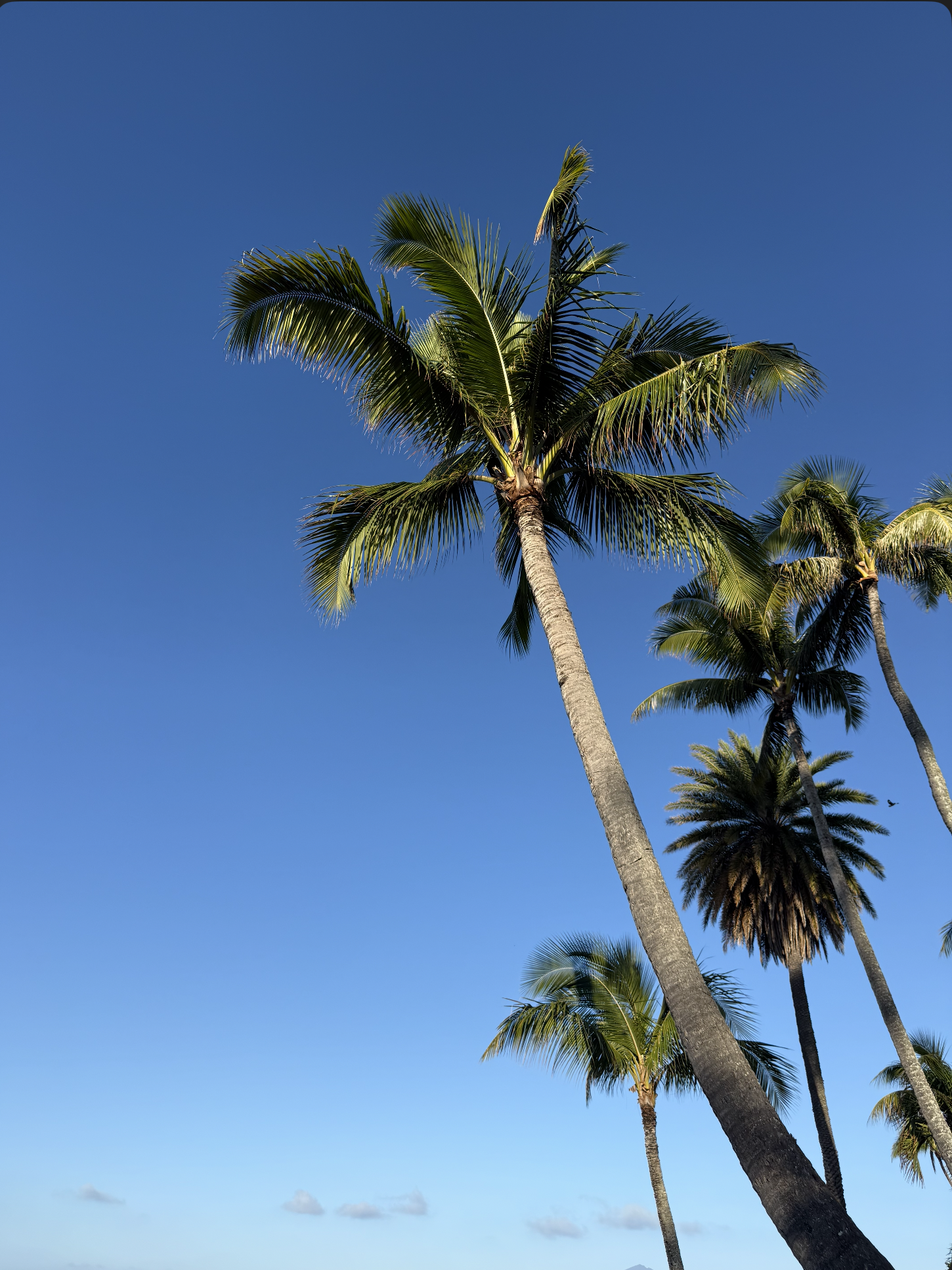
Welcome!
We are the CRB Experts.
Our Services
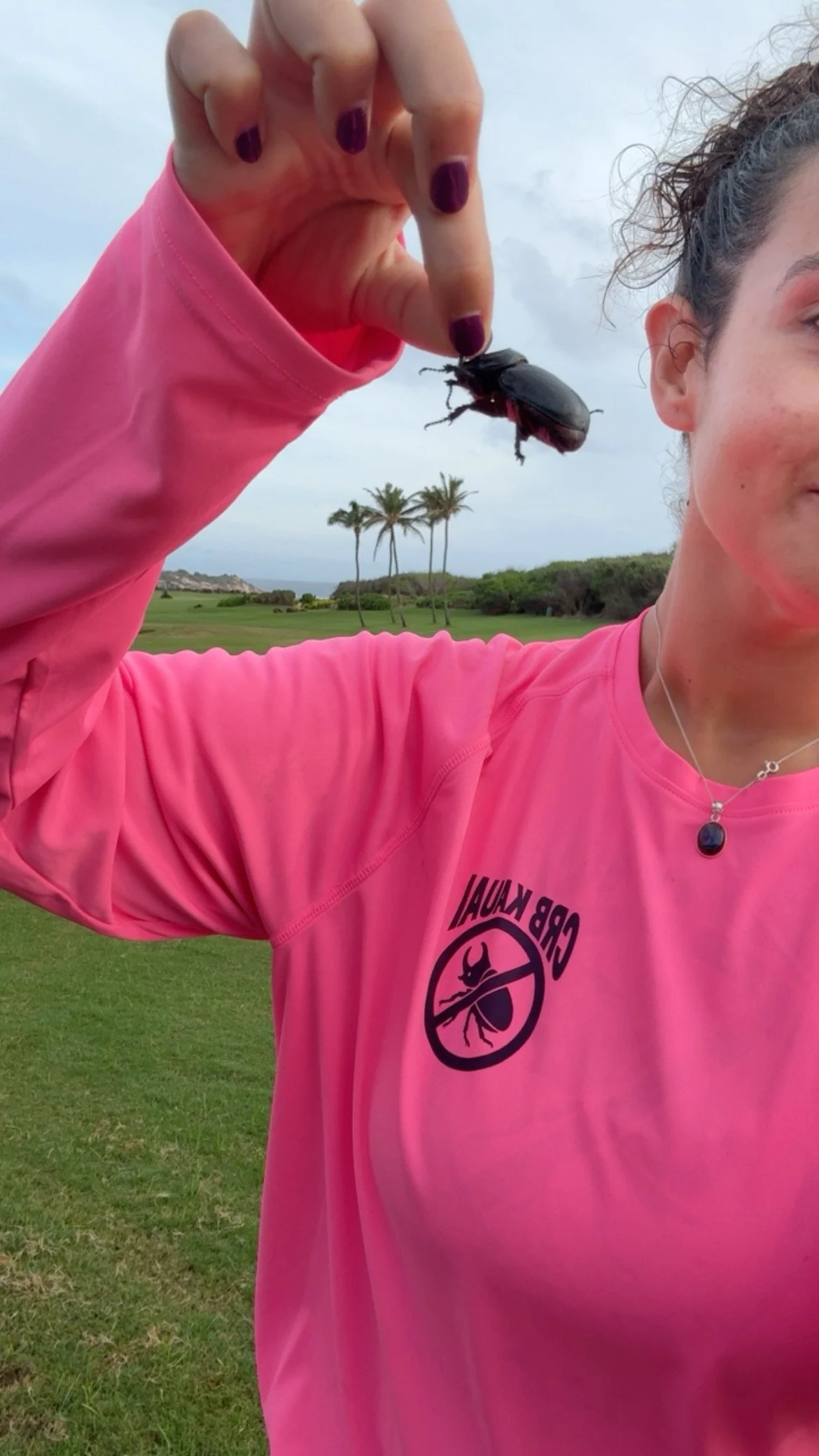
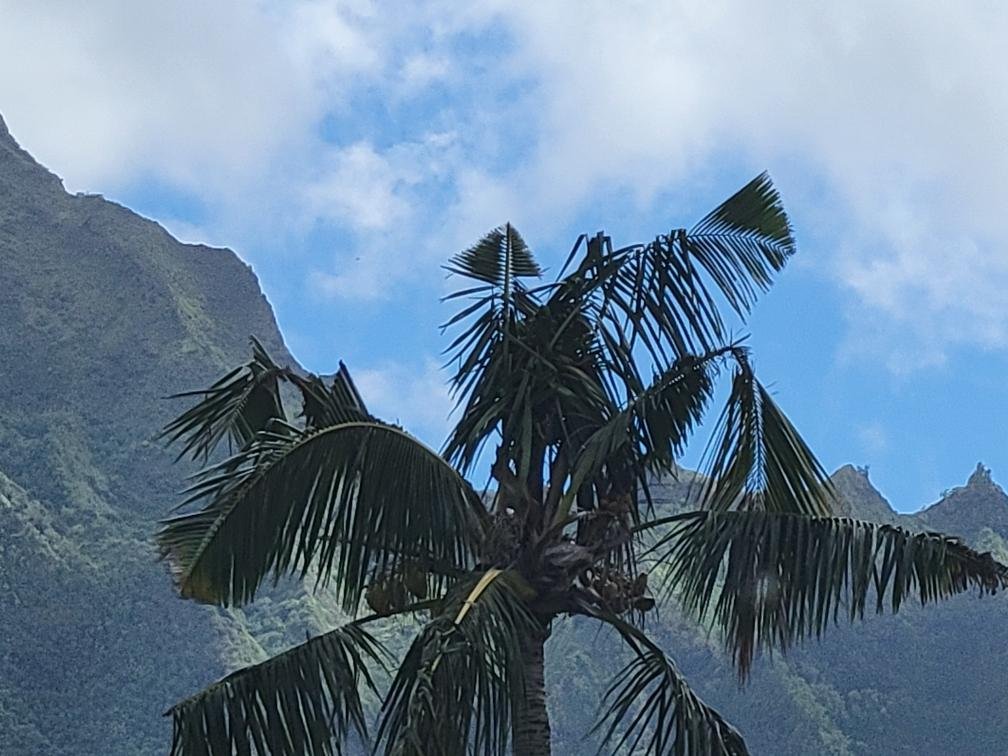
Protect your palms from hidden damage.
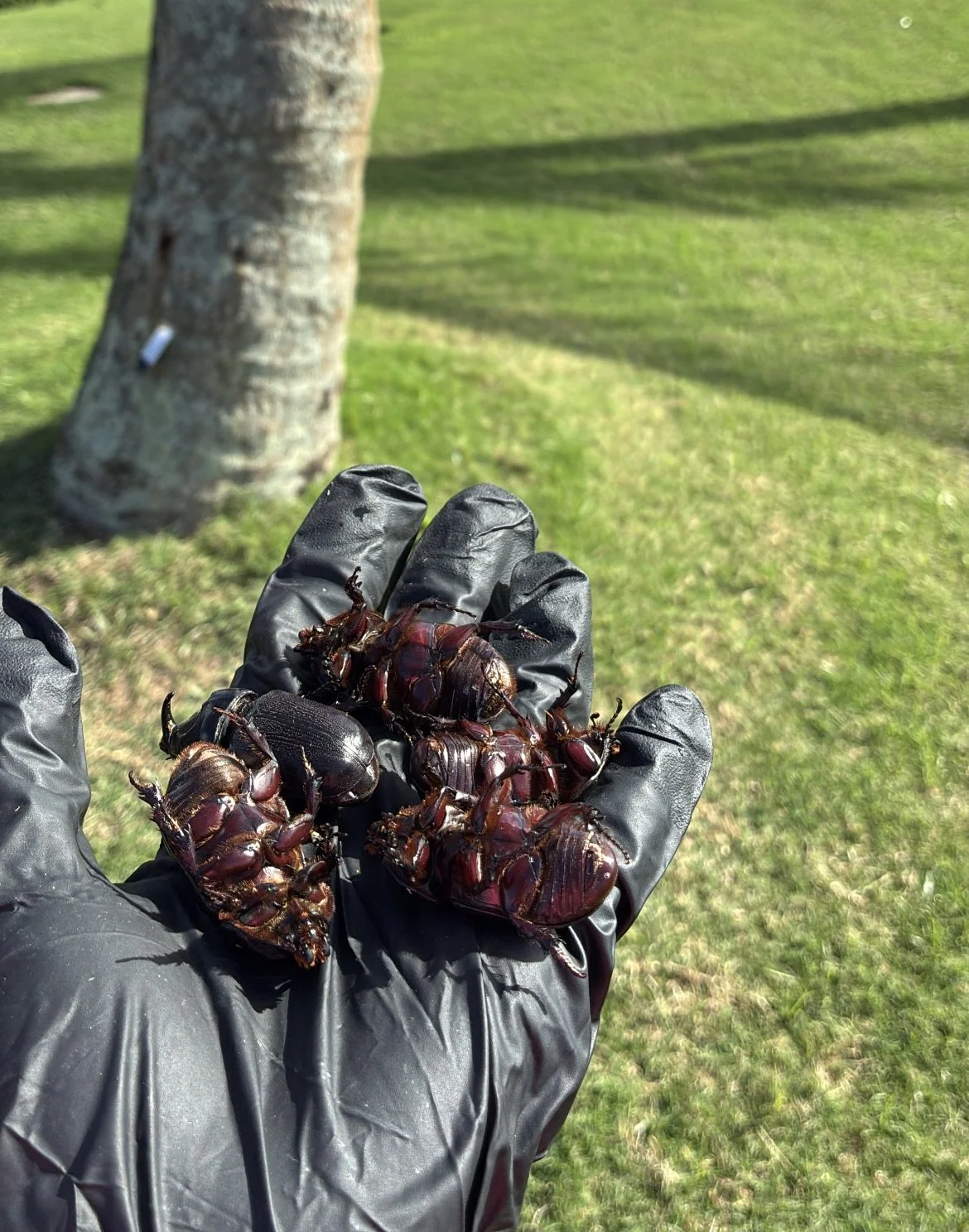
Schedule a free Coconut Rhinoceros Beetle consultation and get expert guidance on how to spot infestations early, safely remove and manage beetles, and prevent future outbreaks.
BEFORE they destroy your trees and landscaping
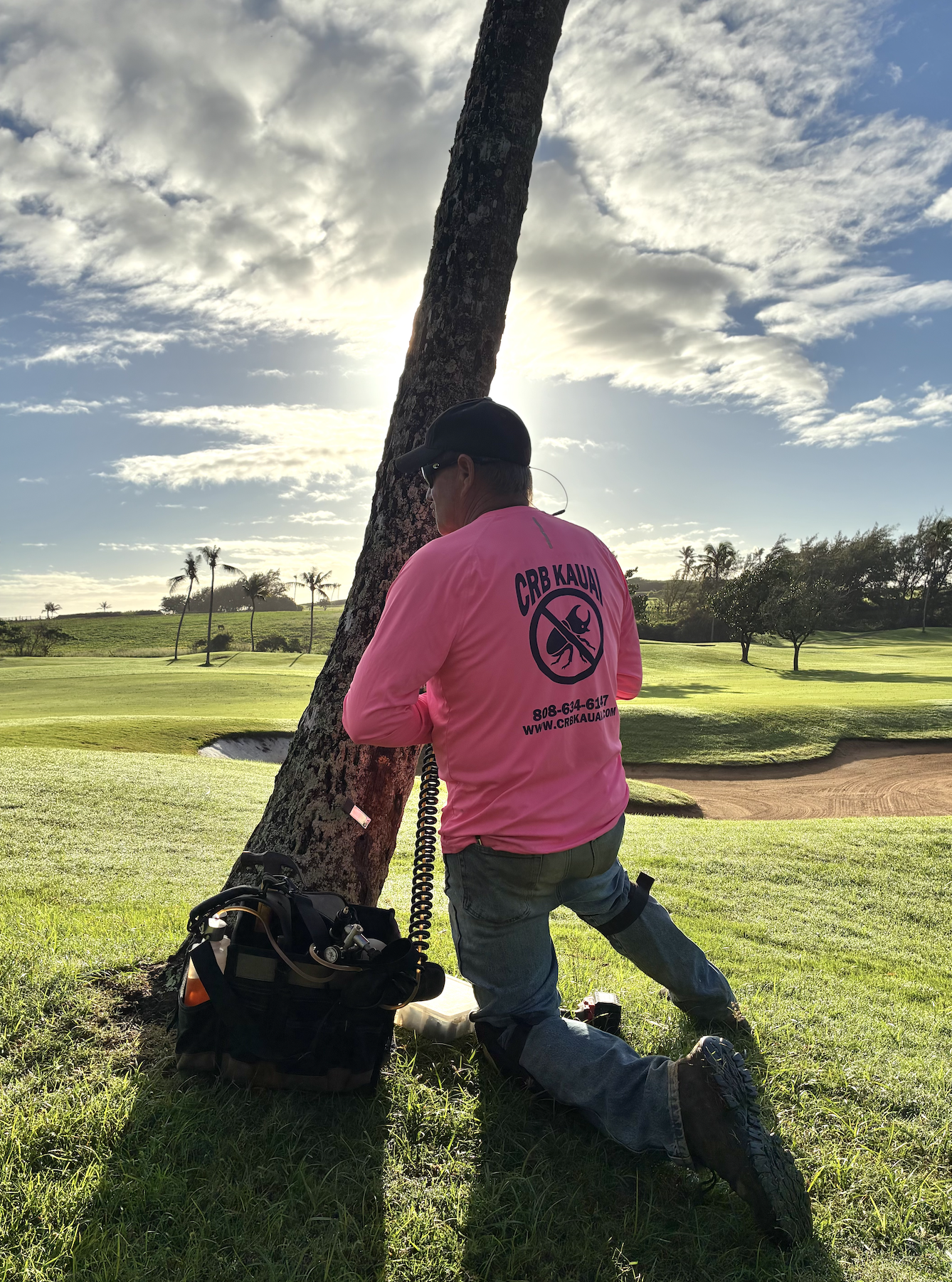
Imidicloprid injections are a powerful and effective tool in the fight against Coconut Rhinoceros Beetles.
Applying it directly into the tree’s vascular system, CRB Kauaʻi can provide a safe, effective, and long-lasting treatment to help preserve the health and safety of these iconic trees.
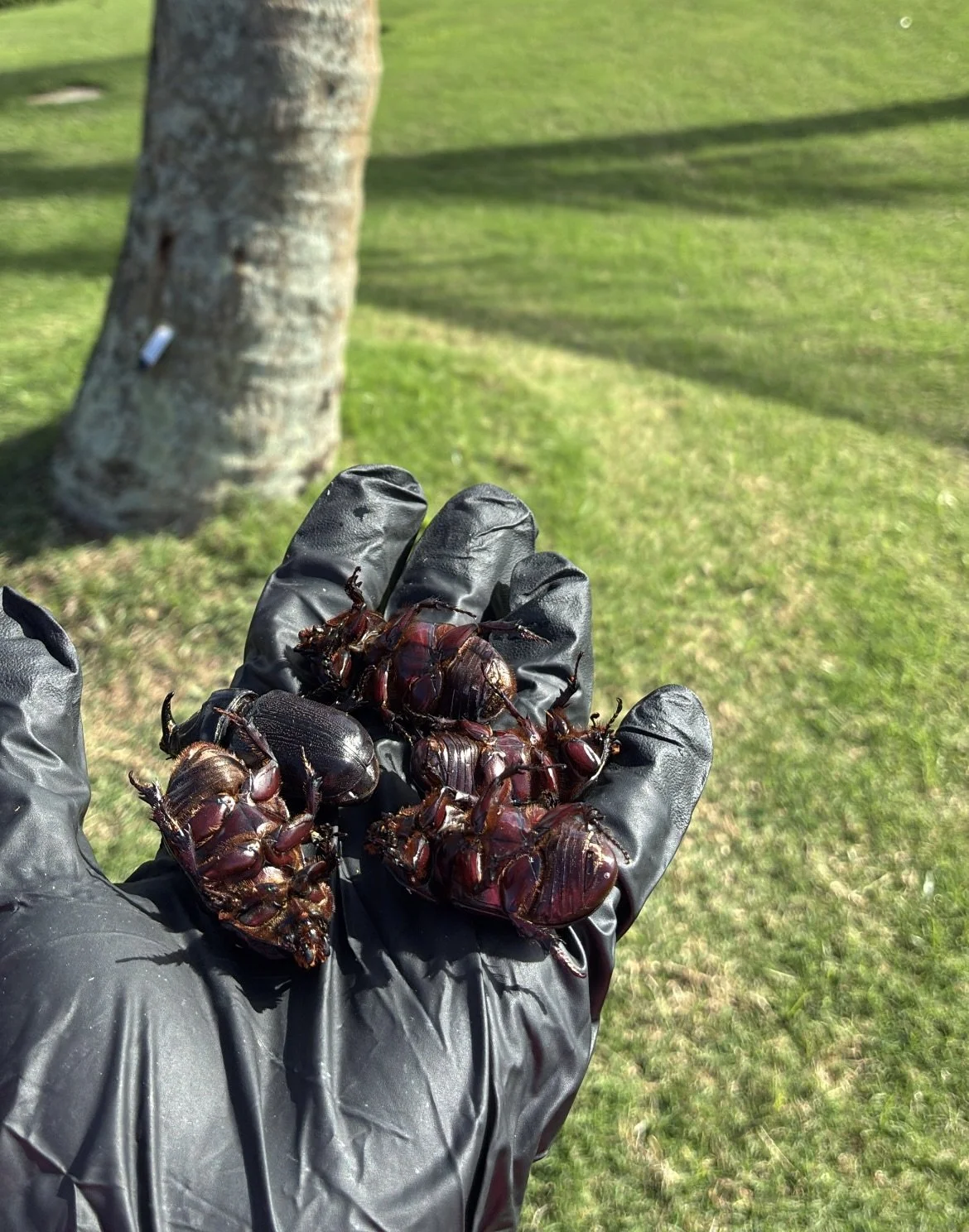
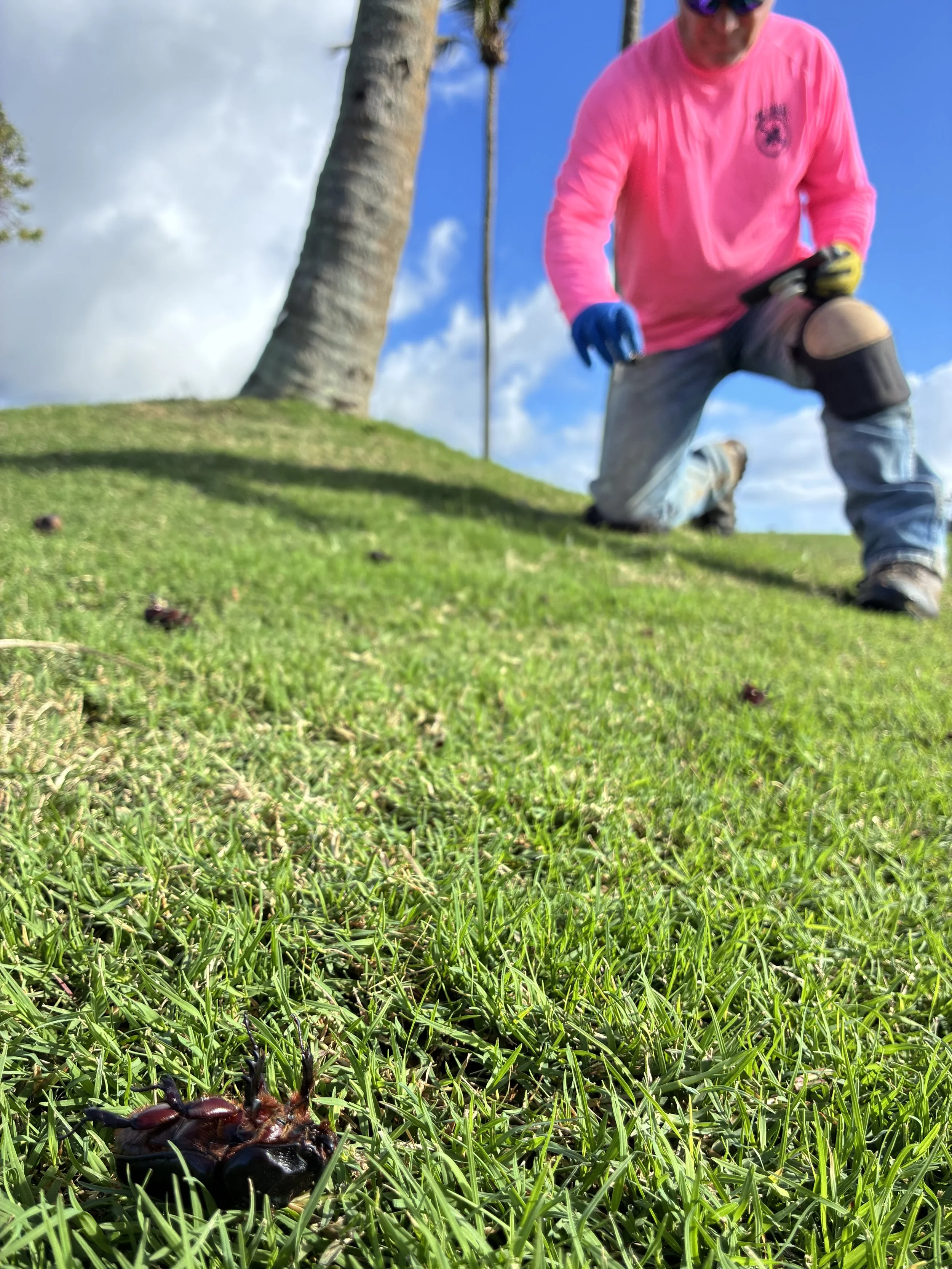
Protect valuable palms already under attack from CRB with targeted, science‑based treatments. Our team inspects each tree, applies trunk injections to kill feeding beetles. We focus on saving high‑value trees, improving palm health, and preventing repeat damage with an integrated management plan tailored to your property.
1
2
3
4
MYTH vs. FACTS
Myth: Soil drenches and granular pesticides are effective to use anywhere as long as they are labeled for palms.
Myth: A single crown spray application will provide long-term protection.
Myth: Organic products are always safer and less toxic than injection treatments.
Myth: Neem oil is an effective primary control for Coconut Rhinocerous Beetle (CRB).
Fact: Soil drenches and granular pesticides have less than 30% uptake into treated plants and cannot be used near bodies of water due to leaching risks. (CRB Hawaii, 2023).
Fact: Crown sprays are short-residual contact killers prone to wind drift onto off-target plants and degrade quickly, requiring weekly re-applications (CRB Hawaii, 2023)
Fact: Many organic products carry higher toxicity ratings than systemic injections used for CRB management (Hawaiʻi Invasive Species Council, n.d.)
Fact: University of Hawaiʻi tests show neem oil does not significantly reduce CRB larvae or adult survival. Neem oil is ineffective as a primary control measure and should not replace proven management methods. (Cheng & Melzer, 2019)
Our History
Coconut Beetle Solutions is dedicated to combating the Coconut Rhinoceros Beetle crisis island wide in Hawaiʻi. With over 3 decades of arborist, landscape, and pest control experience as well as a dedication to professional service we are here to help save our islands from a potentially devastating infestation.
Having a deep understanding of the Coconut Rhinoceros Beetle, coupled with a passion for sustainable agriculture and a desire to empower local farmers, fuels our motivation to establish a business focused on providing effective solutions to the growing CRB problem on our islands.
Our Mission
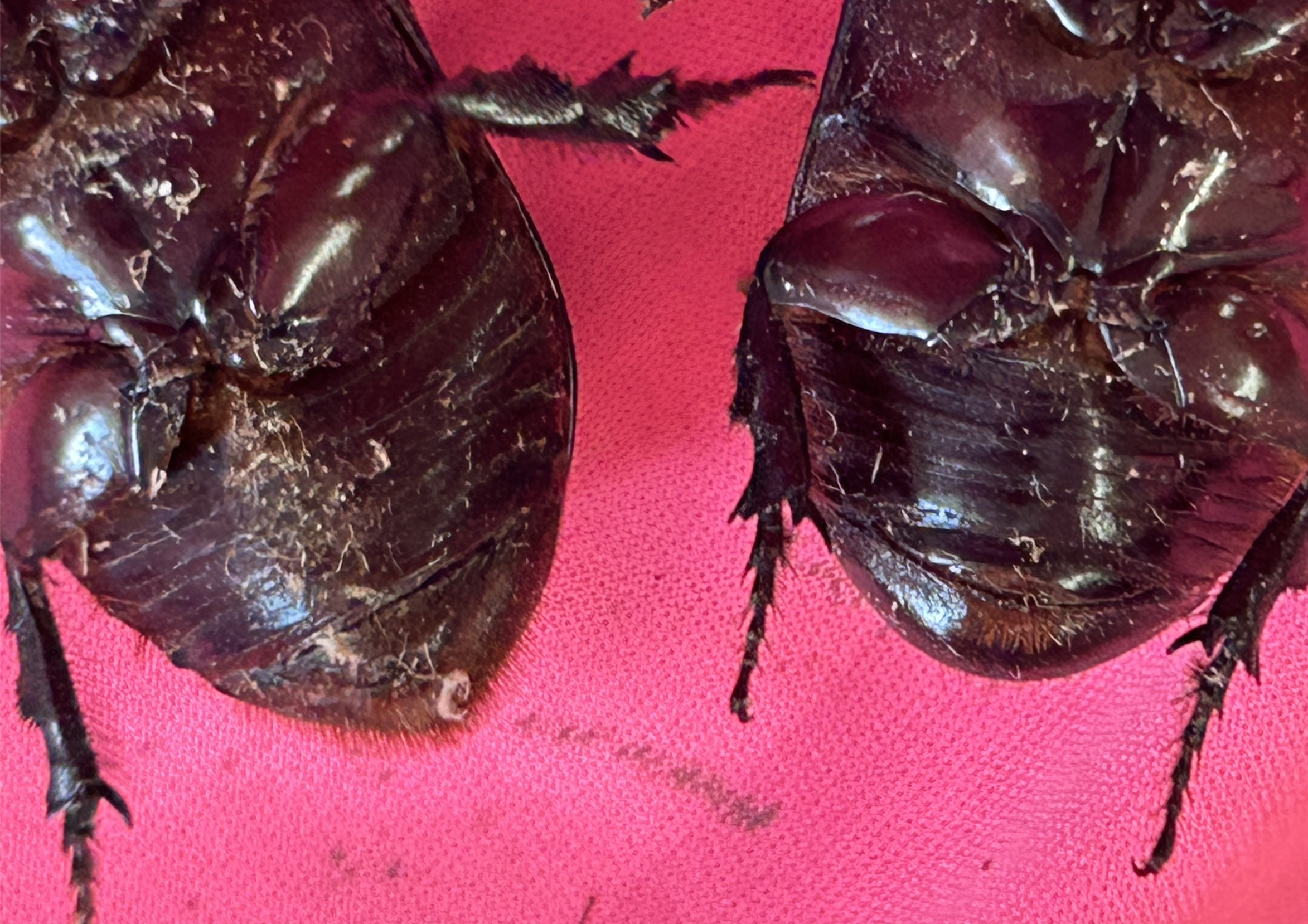
Coconut Beetle Solutions was founded to protect the iconic palm trees island wide, support agriculture, and natural ecosystems by providing effective and sustainable CRB eradication and prevention services which are backed by scientific research and recommended best practices by both the State of Hawai'i and the University of Hawai'i.
We believe through innovative approaches and culturally sensitive community engagement, we can significantly mitigate the potential damage caused by this destructive pest and safeguard coconut production for the future generations of families here on Kaua'i.
ʻĀina Acknowledgement
We acknowledge Hawaiʻi as an indigenous space whose original people are Kānaka ʻŌiwi (Native Hawaiians), and recognize that our work takes place on ancestral lands cared for by Native Hawaiian communities for generations. As we manage invasive species like the coconut rhinoceros beetle, we commit to mālama ʻāina—honoring Native Hawaiian knowledge, relationships, and leadership in caring for this ʻāina and its ecosystems. In our field work, we strive to use the least harmful and most targeted tools available, prioritizing prevention, monitoring, and eradication. In some situations, however, stopping severe ecological damage leaves us with no choice but to use carefully regulated control agents; when we do, we follow best‑available science, strict safety protocols, full disclosures, and ongoing community consultation to protect people, culture, and ʻāina to the greatest extent possible.